
Keeping a home fresh and up to date doesn’t mean undertaking a grand renovation every year. Small, considered updates can change how existing colors, materials, and furnishings work together. A little color on the wall, an unexpected pattern underfoot, or a textured finish in the right spot – any of these can change a room’s mood.
Tile is particularly well suited to this kind of refresh. Available in a variety of colors, patterns, shapes, textures, and finishes, tiles can introduce a new design to your space and still fit like a glove in your current interiors. It can be a bold focal point or a subtle detail that pulls a room together. From a kitchen backsplash to an outdoor seating area, here are seven ways to update familiar spaces with tile.
1. Make Your Entryway More Inviting
An entryway may seem like a catchall for bags, umbrellas, and muddy shoes, but it does a lot more than that. It is a space that connects the interiors with the outdoors and thus sets the design tone for the rest of the house.
Instead of replacing the entire floor, think of introducing small changes to refresh this busy space. A patterned tile section, a decorative border, or a new tiled area beneath an entryway console can give the space a more considered look. Spanish-inspired tile designs and floral patterns can make a memorable first impression in an entryway, especially when the surrounding walls and furnishings are relatively simple.
Textured options like fluted tiles can be used to create walls with a tactile surface. Earthy shades such as terracotta, brown, and cream can make the space feel warm and inviting. Stone-look travertine tiles on the floor can tie the whole earthy theme together.
Since entryways are a high-traffic spot, choose tiles that are durable, easy to clean, and slip-resistant, especially when shoes bring in mud.
2. Personalize the Bathroom Vanity Wall
A bathroom doesn’t need an entirely new look to feel more polished. If yours still has the same plain vanity wall that it had years ago, this is a good place to introduce change. A tiled vanity wall can give the room a more finished appearance without requiring you to replace the vanity, mirror, or fixtures.
Soft green tiles pair well with natural wood and warm metal finishes, while deep blue tiles can create a more dramatic contrast against white fixtures. Marble-look tiles offer a classic option, and small-format mosaics can introduce detail without overwhelming a compact room. When choosing tile designs, consider combining the latest color trends with classic patterns. This combination of trendy and classic can help you add a timeless design element to your bathroom.
Whether you fancy a traditional interior or love a minimalist, spa-like design, always make sure that the tile, grout, and installation are suitable for the moisture and cleaning requirements in the shower space.
3. Embrace a Fresh Fireplace Update
A fireplace often draws the eye in a living room, making it a crucial element of any interior. An outdated fireplace design can bring down the beauty of the whole room. Rather than changing the entire room, consider upgrading the fireplace surround. Choosing a new tile color or pattern can make an older fireplace feel more appealing and chic, adding a fresh energy to the space.
The existing colors and design elements can guide your choice of fireplace tiles. If your living room is full of vibrant, ‘high-energy’ tones, choosing a stone-inspired, beige or soft gray tile surround can serve as a distinct accent. For simpler spaces, a muted botanical shade, an ocean-inspired blue tone, or a decorative geometric pattern can add visual character. Handmade-look tiles add surface variation and a slightly irregular appearance, while geometric patterns create a more contemporary focal point.
Remember to check the manufacturer’s specifications, as not all tiles are intended and designed to withstand high levels of heat exposure.
4. A Backsplash Update for a Fresh Kitchen
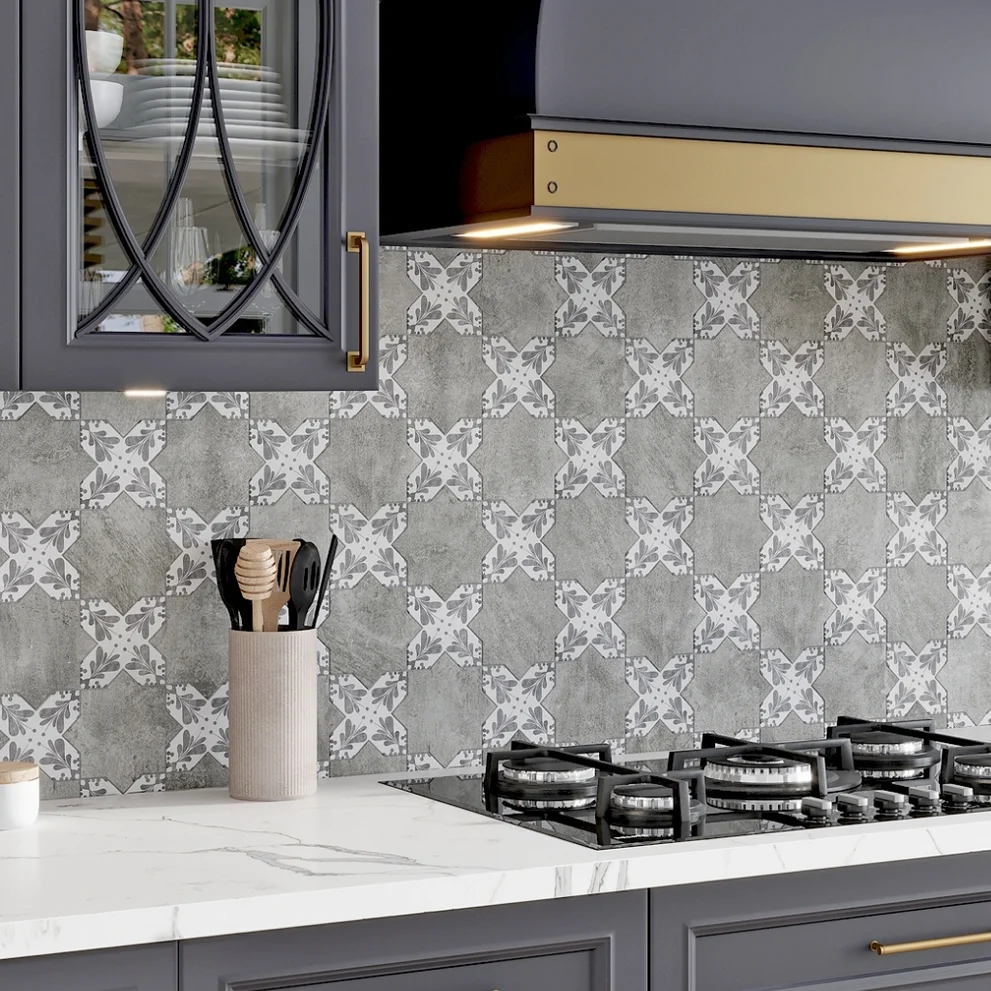
Although a kitchen backsplash covers only a small section of the wall, changing it can alter the feel of the entire space. Swapping a plain backsplash for colorful subway format, reflective glass tiles, or a textured surface is enough to enhance the look of the kitchen without replacing the cabinets or countertops.
If you want a uniform design in your kitchen, consider pastel tiles alongside light wood cabinetry, or warm white tiles paired with cream-colored countertops. For a more decorative design, deep blue or charcoal black Zellige tiles can create a striking contrast against lighter surfaces. If the kitchen cabinetry already has a strong appearance, a white subway tile backsplash may provide a better balance than a highly decorative mosaic.
The layout matters just as much as the color. A vertical stack can give familiar rectangular tiles a cleaner, more contemporary look, while a herringbone arrangement adds movement.
5. Give Your Home Bar a Distinct Character
Whether it’s a dedicated counter, a corner of the dining room, or an extra countertop in the kitchen, a tiled backsplash can give the home bar a distinct visual identity. Pair this backsplash with well-thought-out shelves and glassware, and you will have the perfect bar to entertain your guests in no time.
For a glamorous home bar, jewel tones such as navy and emerald can provide a rich backdrop for glassware and display bottles. Or get creative with wood-look tiles and become the barkeep of your in-house Old West Saloon.
Want a more playful look? Try a small geometric pattern or a mix of complementary colors. If you have a curated and colorful collection of bottles, accessories, and knick-knacks, a simpler tile design can keep the space from feeling crowded.
6. Outdated Outdoors No More!
Butterflies and flowers may not need an update, but your patio definitely does. Outdoor seating areas, kitchens, patios, and pool surrounds can look tired over time. A tile update can give the space a fresh starting point without requiring you to change the entire outdoor setup.
Carrying a few design elements from indoors to the outdoors can help the two areas feel connected without making them identical. For instance, using similar wood-look tile designs in both the entryway and patio will help the space look like an extension of the home. The outdoor zone can feel more inviting, particularly when you choose tiles that complement the surrounding garden or landscape.
Terracotta-inspired tiles can be used to create an earthy backsplash for the outdoor kitchen, or to create a beautiful path to your flowerbed. If you prefer a greener palette, a forest-green or moss-shade floor for the patio can complement leafy plants and garden views.
7. Add an Accent with a Feature Wall
If you’re looking to refresh your interiors but aren’t sure where to begin, a tiled feature wall offers one way to change a room without undertaking a larger renovation. Depending on the space, the tile could form a backdrop behind a bed, add detail to a dining area, or give an otherwise plain living room a more defined focal point.
While paint and wallpaper are a common feature, tile offers a wide range of design possibilities. Its shape, surface texture, and installation pattern can add depth and dimension, making the wall an integral part of the room’s design rather than simply a change in color.
Conclusion
Refreshing your home doesn’t always mean starting from scratch. Sometimes, a new backsplash, a patterned entryway floor, or a tiled detail in an overlooked corner can change how a familiar space looks and feels.
Before choosing a tile, think about what feels dated or unfinished in the space and what kind of change would make it feel more like your own. Consider the existing colors, materials, lighting, and practical requirements of the area. The best update isn’t necessarily the boldest one. It is the one that refreshes the space without making the rest of the room feel out of place.
I have worked in collaboration with one of our partners to provide you with this post.

Leave a Reply