
Raising backyard chickens is a rewarding experience, but it all starts with creating the perfect chicken coop. A well-designed space ensures your chickens are safe, comfortable, and productive. This guide will explore essential tips and steps to help you build a cozy and secure home for your feathered friends, making your backyard a haven for happy chickens.
Understanding Your Chickens’ Needs
Before you start building, it’s essential to understand what your chickens need. Chickens require a space that protects them from predators and harsh weather and provides them with enough room to roam. A well-designed poultry coop should include sleeping, nesting, and roaming areas.
Chickens also need fresh air, clean water, and a balanced diet. They enjoy scratching the ground for bugs and seeds, taking dust baths to keep their feathers clean, and having a safe place to lay their eggs. You can ensure your chickens stay healthy and happy by meeting these basic needs.
Choosing the Right Location
The location of your poultry coop is crucial. Choose a spot in your backyard that offers some shade to protect your chickens from the sun and some shelter from the wind. If the location gets a lot of sun, consider a roof or covering for your run area. Make sure the area is elevated or has good drainage to prevent water from pooling around the coop, which can create a damp and unhealthy environment.
Consider placing the coop near your house for easy access, but not too close to avoid potential smells. Position the coop so that it gets morning sunlight, which helps keep the coop dry and reduces the risk of mold and mildew. Also, consider the convenience of running water and electricity to the coop, as these can make maintenance much more accessible. They can also help by allowing you to plug in a heater or other accessories.
Building the Coop
When building the coop, consider the size of your flock. Each chicken needs about 4 square feet of space inside the coop and 8-10 square feet in the run. Ensure the coop is tall enough to enter comfortably for cleaning and maintenance.
Materials Matter: Construct the coop using sturdy materials like treated wood and galvanized wire. These materials are durable and can withstand the elements.
Ventilation and Lighting: Good ventilation is crucial to prevent the buildup of moisture and ammonia from chicken droppings. Install windows or vents that can be opened and closed as needed. Natural light is also essential for chickens, so consider adding windows or clear roofing panels to let in sunlight.
Creating a Safe Environment
To keep your chickens safe, you need to predator-proof the coop. Use strong wire mesh to cover any openings and bury it at least 12 inches underground around the perimeter to prevent predators from digging in. Install secure latches on doors and windows to keep raccoons and other animals out.
Providing Comfort Inside the Coop
Roosting Bars: Chickens need a place to sleep off the ground. Install roosting bars inside the coop. These should be about 2-3 inches wide and placed higher than the nesting boxes.
Nesting Boxes: Provide nesting boxes for egg-laying. Each box should be about 12×12 inches filled with clean straw or wood shavings. One box for every 3-4 hens is sufficient.
“Pro Tip: Nesting pads can be a great way to make cleaning nesting boxes easy.”
Bedding: Use bedding material like hemp, straw, wood shavings, or sand on the coop floor. This helps absorb moisture and makes cleaning easier. Change the bedding regularly to maintain a clean environment.
Designing the Chicken Run
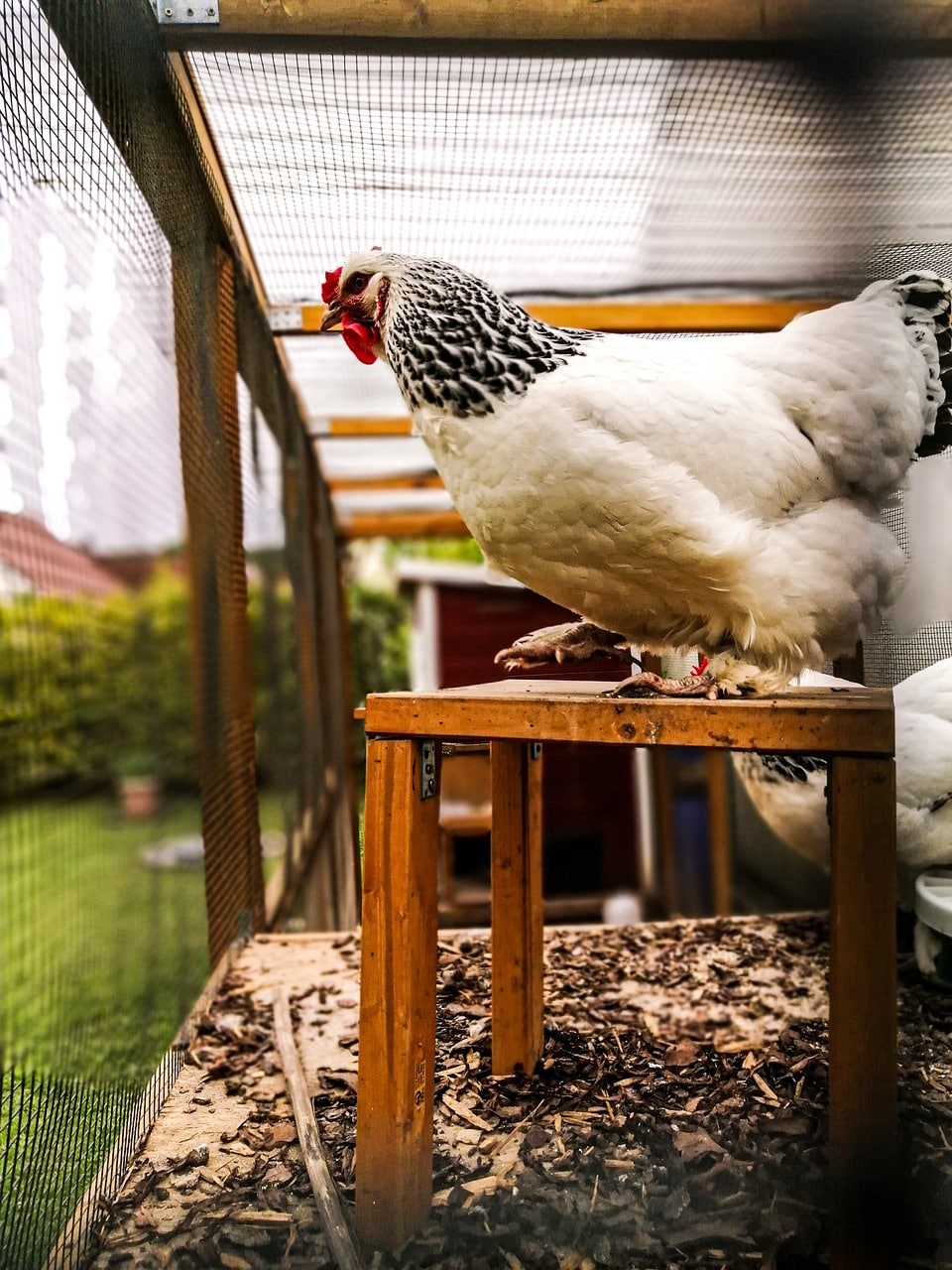
A chicken run is an enclosed outdoor space where chickens can roam, scratch, and forage. It should be spacious and secure but doesn’t need to be huge. Cover the top with wire mesh to protect from aerial predators, and ensure the sides are tall enough to prevent chickens from flying out.
Providing enrichment in the run, such as perches, dust baths, and hiding spots, can keep your chickens entertained and reduce stress. Rotate areas of the run to allow grass to regrow, giving your chickens fresh ground to forage on.
Feeding and Watering Stations
Place feeders and waterers inside the coop and the run. Ensure they are elevated to keep the feed and water clean and prevent chickens from tipping them over. Clean and refill them regularly to provide fresh food and water.
Automatic feeders and waterers can save time and ensure your chickens always have access to food and water. Ensure the waterers are designed to prevent spills and contamination and consider using nipple waterers to keep the water clean.
Keeping the Coop Clean
A clean coop is essential for the health of your chickens. Remove droppings daily and replace dirty bedding weekly. Scrub the coop monthly with water and vinegar to disinfect surfaces.
Regular cleaning helps prevent the buildup of harmful bacteria and parasites. Pay special attention to nesting boxes and roosting bars, as these areas can harbor mites and other pests. Keeping the coop dry and well-ventilated also helps reduce the risk of respiratory issues.
Conclusion
Designing the perfect space for your backyard chickens takes careful planning and attention to detail. Understanding their needs and creating a safe, comfortable, and stimulating environment can make your chickens happy and productive. A well-built chicken home is the cornerstone of successful backyard chicken keeping, providing a haven for your feathered friends.
I have worked in collaboration with one of our partners to provide you with this post.

Leave a Reply