
Traveling is an exciting and enriching experience that allows us to explore new places, cultures, and cuisines. Yet, amidst all the fun and adventure, there is always a risk of accidents happening while on the road.
You have to navigate through a foreign place, the legalities and medical procedures may differ from your home country, and you often have to rely on strangers for help. In case of an accident, you need to keep a clear head and know what steps to take to ensure your safety and well-being. Let’s begin!

Consult with a Personal Injury Lawyer
When you face serious injuries or legal troubles, the last thing you want to do is navigate the legal system alone. But when you seek the counsel of a trained and experienced personal injury law firm, you can protect your rights and receive the guidance necessary to make the best decisions for your situation. A local personal injury lawyer can help you assess your case, negotiate with insurance companies, and represent you in court if necessary. Don’t let the complexities of the legal system add more stress to an already difficult situation!
Contact Emergency Services
The first and most important thing to do after an accident is to ensure your safety and the safety of others. If anyone is injured, call for medical assistance immediately. Some countries have a universal emergency number (such as 911 in the United States), while others may have different numbers for police, ambulance, and fire departments. It is advisable to research these numbers before your trip or ask locals for help. You don’t need to speak the local language to call for help, you just have to know which number to dial.
Report the Incident
If you find yourself in a car accident, it is crucial to contact the local authorities and report the incident as soon as possible. In most countries, it is a legal requirement to report any car accident involving injuries or property damage. Even if you are not at fault, reporting the accident can help with insurance claims and provide a record of what happened for legal purposes.
Picture this: you’re on a road trip in Italy, and your car gets rear-ended by another vehicle. The driver apologizes profusely and offers to pay for the damages without getting the authorities involved. You may be tempted to take this offer and avoid any potential language barriers or legal hoops, but doing so can leave you vulnerable if the other party doesn’t fulfill their promise to pay. Always report accidents to the police and follow their instructions.
Document Everything
The next step is to gather evidence and document everything that happened. Take photos of the scene, any injuries you sustained, and damages to your property or vehicle. If possible, get contact information from witnesses who can provide their account of what occurred. Keep all documents related to the incident, such as police reports, medical records, and insurance claims, as they may be useful in the future. Especially if the case goes to trial, having concrete evidence can make or break the outcome.
Notify Your Insurance Company
As briefly mentioned above, insurance claims can be a critical part of dealing with an accident while traveling. You must inform your insurance company about the incident as soon as possible, even if you are not at fault. Your insurance policy may cover medical expenses, property damage, and other costs resulting from the accident.
Although insurance companies will try to minimize their payout, having a personal injury lawyer on your side can help you negotiate for fair compensation. So make sure to contact both your insurance company and legal representation after an accident occurs.
Seek Medical Attention
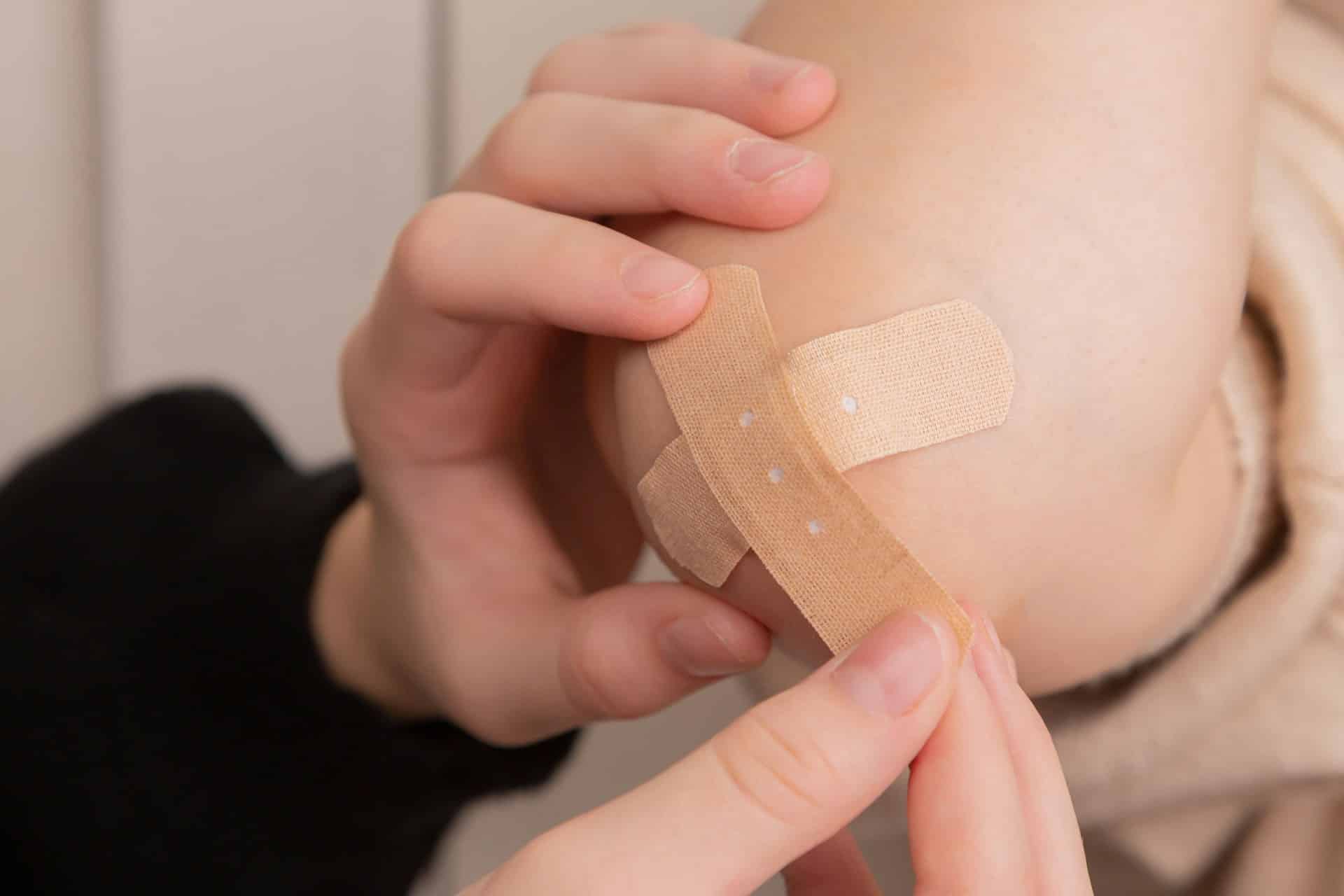
It’s that easy: you should never neglect your health after an accident, no matter how minor it may seem. Seek medical attention for any injuries, even if they appear minor at first. Some injuries like whiplash or concussions may not be immediately apparent but can have long-lasting effects if left untreated.
You should always prioritize your health and well-being, even if it means cutting your trip short or altering your plans. If you require medical treatment, keep all receipts and documentation to include in any insurance claims.
Your recovery at home might take some time, and you might not always have someone immediately available to help you with your injuries at home. Therefore, mobility aids and a medical care alert in case of falls can be helpful for making sure loved ones can be there if you need assistance at any point.
Contact Your Embassy or Consulate
In such a situation, getting in touch with your country’s embassy or consulate may prove incredibly helpful in navigating the local legal system and handling other formalities. Regardless of the situation, embassy officials are there to assist you in any way they can, providing you with important information on where to go and who to speak with. Reaching out to them can also help you get in touch with family and friends back home who may be able to provide additional support.
Experiencing an accident while traveling is an ordeal, yet being prepared and knowing the right steps to take can significantly alleviate the stress and impact of such incidents. By consulting with a personal injury lawyer, contacting emergency services, reporting the incident, documenting everything, notifying your insurance company, seeking medical attention, and getting in touch with your embassy or consulate, you can ensure your safety and protect your rights. The key to handling any unexpected situation is to remain calm, informed, and proactive. Safe travels!
I have worked in collaboration with one of our partners to provide you with this post.

Leave a Reply