
Are you soon traveling to Greece for an ultra-fun vacation with your family? When it’s Greece, the first thing that comes to your mind besides its fascinating nightlife at the beaches is its gourmet dishes. Sustenance is vital to Greek culture. However, as primeval Greek philosopher Epicurus once said, “We must search for someone to nosh on meals and drink with prior to searching for something to eat & drink.” Therefore, it implies food is not what makes Greek food tradition extraordinary; it’s the “sharing is caring” funda.
Regarding gastronomy, Greek cuisine possesses the highest historical significance compared to other cuisines. Everyone loves to flock to Greece because its cuisine unveils an innumerable burst of flavors, traditions, and textures that raise the bar. From the lip-smacking moussaka to exceptional olive oil sprinkled on Greek pita bread, Greek cuisine is all about exploring different types of food. Now, let’s discuss everything about Greek food culture!
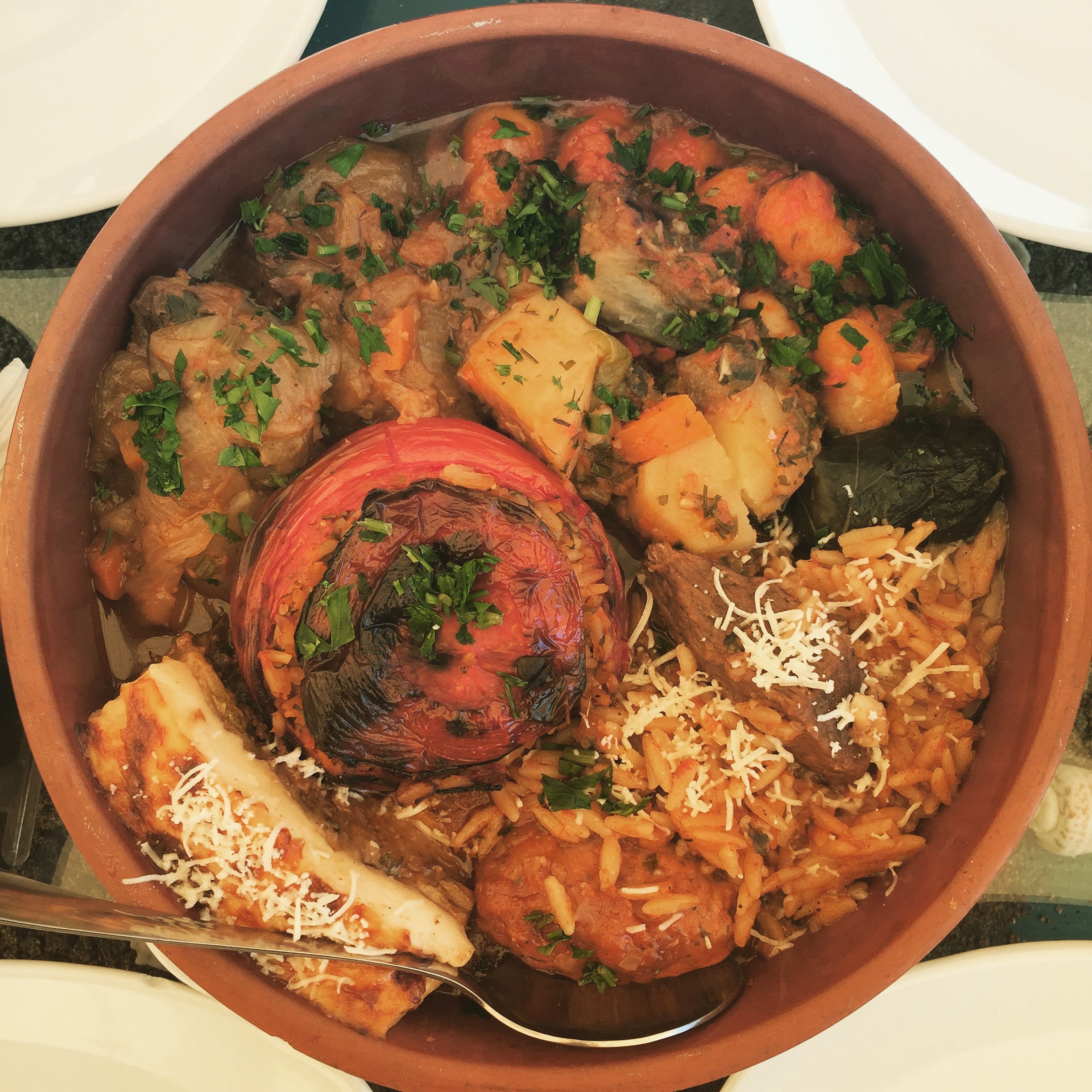
Greek food starts with additional extra virgin olive oil & feta cheese
Feta cheese and extra virgin olive oil are staples to prepare any Greek food items. Moreover, these two significant ingredients can make everyone fall for it. As you will visit Greece soon, don’t take them for granted, as no substitutes can be found. You should know that feta is one of the few hundred categories of cheese that can be bought in Greece.
If you order a renowned fried cheese dish named saganaki, it will not contain any feta cheese. While sailing around the isles, hunger pangs may kindle anytime. Therefore, heading to any eatery serving the best Greek appetizer made of these two staples will save your soul.
Byzantine influences: Complicated sauces & aromatic condiments
Byzantine kingdom that existed from 395 CE to 1453 left an ineradicable mark on Greek cuisine’s history. The amalgamation of Western and Eastern communities brought a subtle cuisine enriched in herbs, spices, and tantalizing flavors. The romantic rendezvous with complicated sauces, distinct culinary methods, and exotic spices incorporated a complex layer into the Greek dishes.
Byzantine business with international traders brought sugar, veggies, livestock, grains, and spices restricted to particular geographical regions. It helped chefs include diversified food to their menu, including eggplant, rice & cinnamon, and hone their baking & frying strategies. The leading Byzantine modernism is Apaki, a vinegar-cured & smoked pork meat, and Apokti, a slice of salted & dried meat.

Food, Mates, and Family
Greek dwellers have innumerable mates & family around. Noshing on meals and sharing drinks is an everyday occurrence for them. Often, chit-chatting over a cappuccino with a pal helps attract many people, and before you understand, there will be a slew of people around the table enjoying a meal.
Food is considered a physical form of hospitality and love among Greeks. They tend to cherish cooking, preparation & tradition around it. As the culture might be fervid this way, be mindfully discreet in offending your host by rejecting the “quick munching” offer, as they might have sweated in front of the gas for hours preparing something exquisite for you. Hopefully, this introduction to Greek culture through food successfully provides a glimpse of what makes it more impeccable than the others!
I have worked in collaboration with one of our partners to provide you with this post.

Leave a Reply