
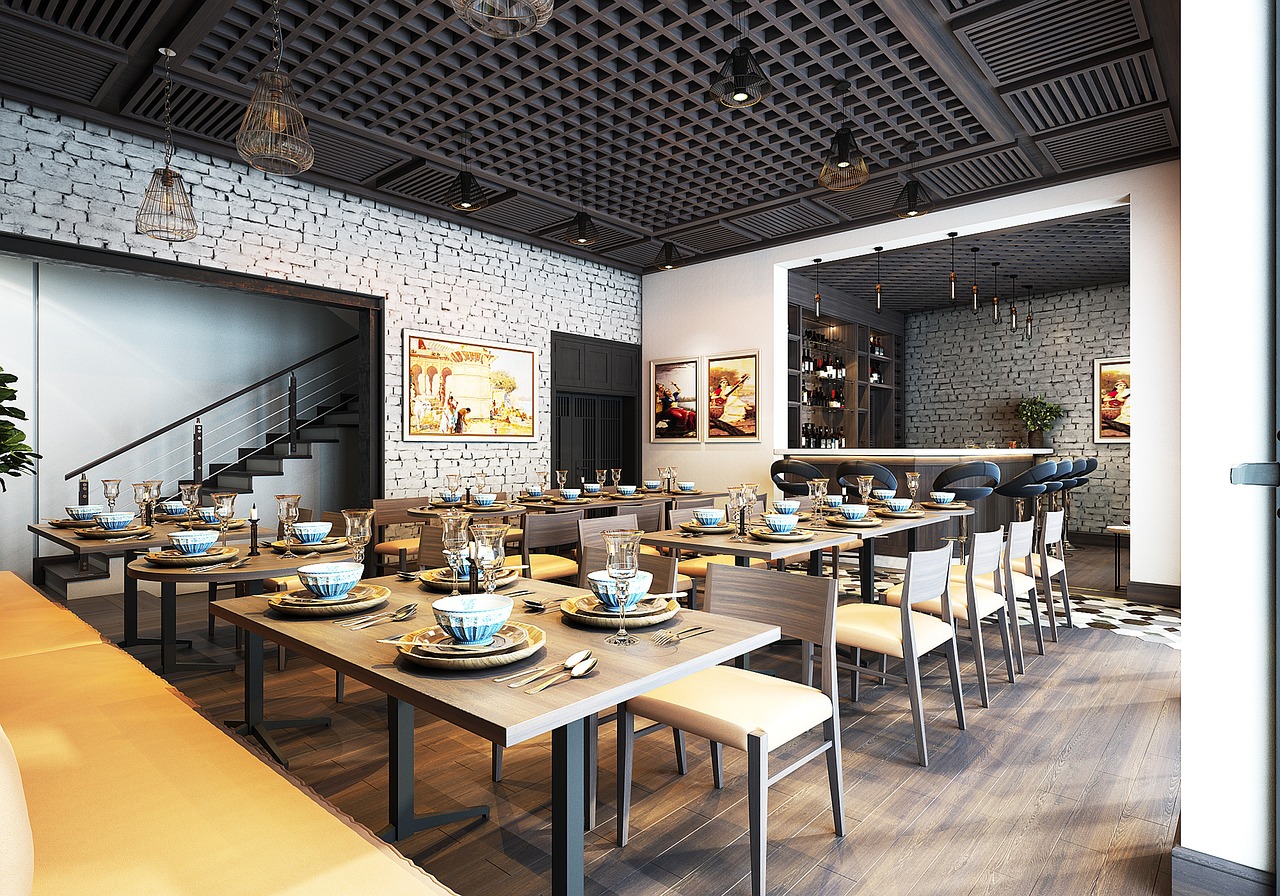
When starting or redesigning a restaurant, furniture is one of the most crucial aspects to consider. Restaurant furniture is vital in defining the ambiance, enhancing customer experience, and ensuring functionality. Whether you’re designing a cozy cafe, a family-friendly dining space, or a chic bistro, the right furniture sets the tone and contributes to the overall success of your establishment.
Choosing the perfect restaurant furniture can feel overwhelming with the vast range of options available. This guide is here to help you make the right decisions, considering factors like design, durability, and practicality. Let’s break down the essential aspects to consider when picking restaurant furniture, ensuring your choices align with your brand, customer expectations, and operational needs.
1. Define Your Restaurant’s Theme
The first step in selecting restaurant furniture is identifying your restaurant’s theme and ambiance. Your furniture should complement your restaurant’s overall aesthetic and convey a message that aligns with your brand.
For example, a casual cafe might opt for comfortable seating, rustic wooden tables, and mismatched chairs, creating a laid-back atmosphere. On the other hand, a fine-dining establishment would benefit from sleek, elegant furniture with refined finishes like polished wood or leather.
Consider asking yourself these questions:
- What kind of dining experience do I want to offer my customers?
- Who is my target audience?
- What emotions or moods do I want my restaurant to evoke?
By understanding the experience you want to create, you can narrow down furniture options that resonate with your restaurant’s identity.
2. Balance Comfort and Style
Your restaurant’s success heavily depends on customer satisfaction, and comfort plays a huge role in this. No matter how stylish your furniture looks, if it’s uncomfortable, it will negatively affect the overall dining experience.
Look for chairs with padded seats or ergonomic designs that offer back support, especially if your customers are likely to spend a long time dining. Similarly, tables should provide enough space for customers to eat comfortably without feeling cramped.
While comfort is key, it shouldn’t come at the cost of style. Your furniture should reflect the ambiance you’re trying to create. Striking the right balance between aesthetics and comfort will help ensure that your customers enjoy their experience and are more likely to return.
3. Space Planning and Layout
Choosing the right restaurant furniture also involves thinking about the space you have available. Your furniture should allow for efficient use of space without overcrowding. A cluttered dining area can feel cramped and uncomfortable for customers, whereas a well-planned layout enhances the overall dining experience.
Before purchasing furniture, measure your dining area and consider how much space you want to allocate to different seating arrangements. Keep in mind the following:
- Allow at least 18 inches between chairs and 36 inches between tables for comfort and accessibility.
- Consider different seating types, such as booths, bar stools, or communal tables, to optimize space and cater to different dining preferences.
- Ensure there is sufficient space for servers to move around efficiently without disturbing customers.
As you map traffic patterns, coordinate the dining room with the back-of-house. The footprint and ventilation needs of ranges, ovens, and holding stations, such as Vulcan kitchen equipment, affect pass-throughs, pickup counters, and aisle widths. Aligning furniture spacing with expo lines and service stations reduces bottlenecks, protects guest comfort, and keeps servers moving efficiently.
In a smaller restaurant, opting for multifunctional furniture that can be easily moved or rearranged is a practical solution. In larger establishments, your focus might be on creating different zones to cater to different types of customers, such as couples, families, or larger groups.
In the UAE, where a vibrant hospitality industry thrives, incorporating a bar table into your restaurant layout can enhance the overall dining experience. Bar tables work particularly well in outdoor terraces, lounges, and casual dining areas, allowing guests to enjoy a relaxed and social setting. Whether positioned near a scenic waterfront view or within a high-end rooftop bar, bar tables provide a stylish yet space-efficient seating option that complements the dynamic dining culture in the region. Investing in high-quality, weather-resistant bar tables is especially crucial in the UAE due to the hot climate, ensuring longevity and aesthetic appeal.
4. Consider Your Target Audience
Understanding your target audience is key to choosing the right restaurant furniture. For example, if your restaurant is family-oriented, consider adding high chairs and seating that is easy to clean. For high-end restaurants, you may want to invest in luxurious furniture that complements a more formal dining experience.
Knowing your audience helps in selecting furniture that meets their needs and enhances their dining experience. Here are some considerations:
- If your target market consists of business professionals, consider sleek, modern designs with clean lines and neutral colors.
- For family-friendly restaurants, opt for practical, durable furniture that can withstand heavy use and potential spills.
- A bar or cafe catering to a younger crowd might benefit from trendy, colorful, or quirky furniture pieces.
5. Ergonomics and Practicality
Along with style and durability, the ergonomics of your restaurant furniture are an important factor to consider. Ergonomic furniture ensures that your customers are comfortable during their dining experience, and practicality ensures that your furniture serves its intended purpose effectively.
- Chairs: Ensure that your chairs provide adequate support. Armrests, cushioned seating, and back support can make a significant difference in customer comfort.
- Tables: The size and shape of your tables should complement the layout of your space. Square and rectangular tables are often the most practical, as they can be placed together to accommodate larger groups.
- Bar Seating: If your restaurant includes a bar area, ensure that bar stools are the correct height and are comfortable for extended sitting.
Additionally, your furniture should be practical from a business standpoint. Stackable or foldable chairs and tables can be useful for events or busy periods where space needs to be adjusted quickly.
6. Budget Considerations
While restaurant furniture is an investment, it’s important to keep your budget in mind when making decisions. High-quality furniture can be expensive, but the cost often reflects the durability and longevity of the pieces. That said, there are ways to furnish your restaurant without breaking the bank.
Look for suppliers who offer bulk discounts or packages that include matching tables and chairs. Additionally, consider mixing high-end and budget-friendly pieces. For example, invest in durable tables but opt for more affordable seating options, or vice versa.
Remember, spending a little extra on high-quality, durable furniture can save you money in the long run by reducing the need for replacements. When furnishing an entire restaurant or expanding to multiple locations, owners sometimes rely on asset financing, leasing agreements, or structured funding arrangements to manage upfront costs. In those situations, working with a finance attorney can help review lending terms, financing structures, and regulatory obligations before committing to long-term financial agreements.
7. Outdoor Furniture for Restaurants
If your restaurant includes outdoor seating, choosing the right furniture for this area is equally important. Outdoor furniture must be durable, weather-resistant, and easy to clean. Consider materials like metal, wicker, or specially treated wood that can withstand exposure to the elements.
Outdoor seating also presents an opportunity to create a different ambiance from the indoor dining space. Play with different color schemes, seating arrangements, and decorative elements to create an inviting outdoor area that attracts customers.
8. Final Thoughts
Selecting the right restaurant furniture is about more than just aesthetics; it’s a vital element in shaping your restaurant’s atmosphere, comfort, and functionality. Shop for restaurant furniture by thoughtfully considering your theme, customer experience, space, and budget, you can create an environment that not only looks great but also serves your operational needs effectively. Whether you’re furnishing an indoor or outdoor space, make choices that reflect your brand while ensuring durability and practicality. Investing in the right furniture will contribute to a memorable dining experience, fostering customer satisfaction and long-term success.
When planning your furniture purchase, keep your budget in mind but don’t compromise on quality where it matters most. Thoughtful furniture selection will lead to an inviting, functional dining environment that encourages repeat business and positive reviews.
I have worked in collaboration with one of our partners to provide you with this post.

Leave a Reply