
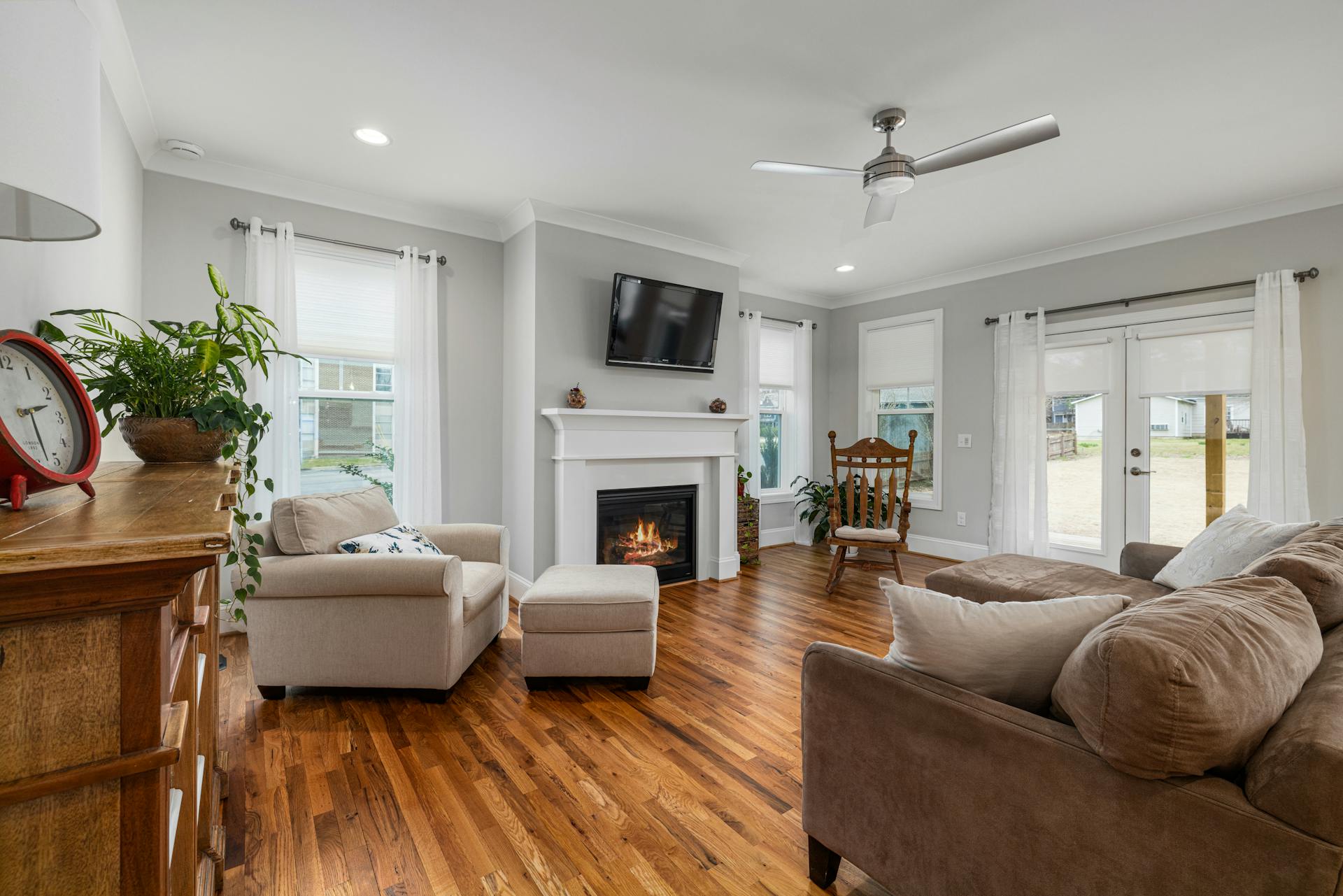
Hardwood flooring stands as one of the most cherished elements in residential architecture, lending sophistication and natural beauty to any space. As these floors age, homeowners often grapple with a crucial decision: whether to refinish their existing floors or invest in complete replacement. This analysis explores why refinishing often emerges as the superior choice, offering compelling advantages in terms of preservation, cost efficiency, and environmental stewardship.
The Refinishing Process: A Detailed Overview
Professional hardwood floor refinishing represents a meticulous transformation that can restore even significantly worn floors to their former glory. The process begins with thorough surface preparation, where technicians address any loose boards and ensure all nails sit properly below the wood’s surface. Following this crucial groundwork, skilled craftsmen employ industrial-grade sanders to strip away years of wear, removing the existing finish along with a carefully calculated layer of wood to reveal the pristine surface beneath. Many homeowners seek Columbus refinishing hardwood floors services to restore the charm and durability of their interiors.
For homeowners seeking to update their interior aesthetic, the stripped wood presents an opportunity to apply new staining treatments, allowing for dramatic color transformations that can complement evolving design preferences. The process culminates in the application of multiple protective finish coats, each layer contributing to a durable shield against future wear. While this restoration typically requires vacating the space for three to five days to accommodate proper ventilation and curing time, the results justify this temporary inconvenience.
The Cost-Effective Choice: Refinishing vs. Replacing Hardwood Floors
The financial advantages of refinishing versus replacement prove particularly compelling when examining current market rates. Professional refinishing services typically range from $3 to $8 per square foot, representing a significant cost advantage compared to full replacement, which commands $8 to $15 per square foot before factoring in removal and disposal expenses. This cost differential becomes especially significant when considering larger spaces or whole-house projects.
Beyond immediate cost savings, refinishing preserves original materials that often exhibit superior quality compared to contemporary alternatives. Historic homes, in particular, frequently feature old-growth timber with tight grain patterns and exceptional stability — characteristics that prove challenging to replicate with modern materials at any price point.
Environmental Benefits of Refinishing Hardwood Floors
In an era where environmental consciousness increasingly influences home improvement decisions, floor refinishing emerges as an environmentally responsible choice. This approach fundamentally aligns with sustainable building practices by extending the functional life of existing materials rather than consuming new resources. The environmental benefits manifest in several ways:
The preservation of existing hardwood significantly reduces demand for new timber harvesting, helping protect forest resources. Additionally, refinishing generates minimal waste compared to replacement projects, which often result in substantial landfill contributions. The carbon footprint associated with refinishing remains notably lower than that of manufacturing and transporting new flooring materials, particularly when considering the global supply chains involved in modern flooring production.
Extending the Lifespan of Your Hardwood Floors Through Refinishing
One of the most significant advantages of hardwood floor refinishing is its ability to dramatically extend the life of your floors. With proper care and maintenance, hardwood floors can last for generations. Refinishing plays a crucial role in this longevity:
- Protective Barrier: The new finish applied during refinishing creates a durable protective layer that shields the wood from daily wear and tear.
- Moisture Resistance: A fresh finish helps prevent moisture from penetrating the wood, reducing the risk of warping or cupping.
- UV Protection: Many modern finishes include UV inhibitors that protect the wood from sun damage and fading.
By refinishing your hardwood floors every 7–10 years (or as needed based on wear), you can potentially extend their lifespan by decades. This not only preserves the beauty of your home but also represents a wise long-term investment in your property.
Addressing Wear and Tear: How Refinishing Can Resolve Common Issues
Over time, hardwood floors can develop various issues that may seem irreparable. However, refinishing can effectively address many common problems:
- Scratches and Scuffs: The sanding process removes surface-level scratches and scuffs, revealing fresh wood underneath.
- Dullness: Refinishing restores the floor’s luster and shine, bringing back its original beauty.
- Minor Stains: Light stains can often be sanded out during the refinishing process. Sanding during refinishing effectively removes superficial stains and discolorations.
- Uneven Coloration: Refinishing allows you to apply a new, uniform stain color across the entire floor.
- Small Gaps: The finishing process can help fill in small gaps between boards, creating a smoother surface.
By addressing these issues through refinishing, you can transform worn and tired-looking floors into stunning focal points of your home. The process not only improves the appearance of your floors but also enhances their functionality and durability.
When to Choose Refinishing Over Replacement: Making the Right Decision
While refinishing is often the preferred choice, there are situations where replacement might be necessary. Here are some factors to consider when deciding between refinishing and replacement:
Choose Refinishing When:
- The wood is structurally sound with no major damage
- Less than 30% of the boards are damaged or warped
- You want to preserve the original flooring
- The floor has been refinished fewer than 5 times previously
Consider Replacement When:
- There’s extensive water damage or rot
- More than 30% of the boards are damaged beyond repair
- The floor has already been refinished multiple times
- You desire a completely different wood species or floor style
To make the best decision, it’s advisable to consult with a professional flooring contractor. They can assess the condition of your floors and provide expert recommendations based on your specific situation and goals.
Summary
Refinishing your hardwood floors offers a multitude of benefits that make it an attractive option for homeowners. From cost-effectiveness and environmental sustainability to extending the life of your floors and addressing common wear issues, refinishing provides a practical and rewarding solution for revitalizing your home’s flooring.
I have worked in collaboration with one of our partners to provide you with this pos

Leave a Reply