
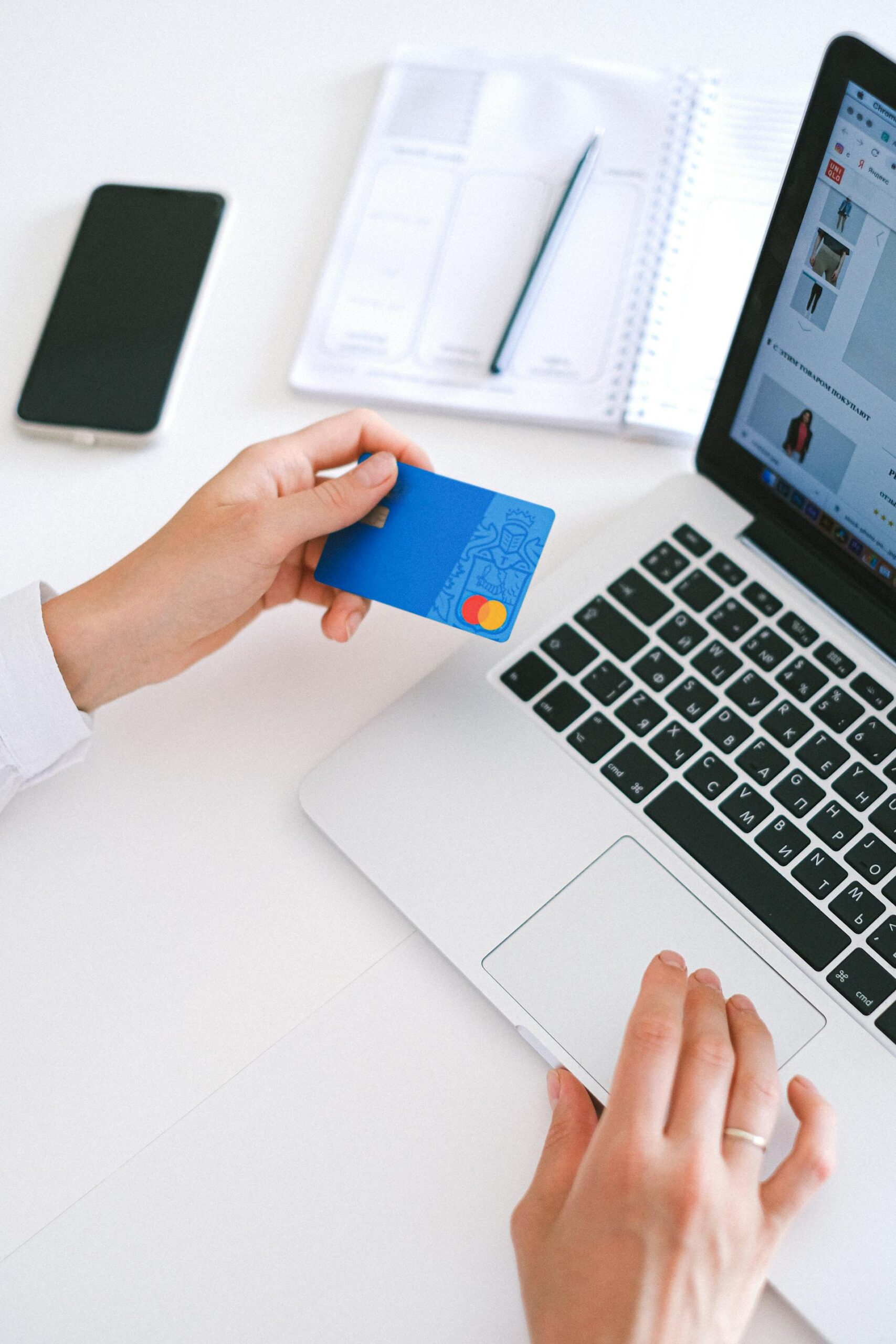
Shopping online has taken the world by storm, and it’s a much more convenient way to get what you need or buy gifts for your loved ones. But much of the cyber crime experienced by US citizens every year is directly related to online shopping, making it a risk for those who haven’t ever done it before. So, how can you stay safe when shopping online, and what tips can you take to your keyboard the next time you shop?
Be Aware of Unknown e-commerce Websites
There are many trusted and legitimate online shopping sites that Americans have been using for years. These include:
- Amazon
- Walmart
- eBay
- Target
- Best Buy
- Home Depot
- Etsy
- Wayfair
- Nordstrom
- Zappos
But there are also hundreds of other sites, some that are completely legitimate and others that are designed to scam buyers. Always buy off a site that you trust, and check to see if others can couch for the trustworthiness of those sites.
Recognize the Reality of Package Theft
Package theft actually occurs more often than you might think. All you need to do is browse through YouTube to see doorbell camera footage of neighbors and even delivery persons stealing packages after they have been delivered.
Now, you could install a door camera in your own home if you haven’t already, but did you know that some renters insurance might cover stolen packages? It’s worth investigating some of these insurance providers since many will cover the total cost of a stolen package under certain circumstances.
Get a VPN
An effective safeguard against phishing scams and identity theft is installing a VPN on your device. In fact, it’s a great idea for many reasons to do this for all of your devices. Many VPN packages allow you to protect multiple devices with one account, and this will protect you from dubious sites–especially while you’re browsing using public Wi-Fi hotspots.
Only Use Secure Sites (Look for the “S”)
A good tip to learn is that most legitimate websites have an “s” after the “http” section in your URL. Check the top of your browser and look at the URL. If the site starts with “http://”, that site is at risk of being hacked. But if there’s an “s” at the end of the ‘http” section of the URL, such as https://www.thehandsome.com/en, that site has installed extra security to keep its shoppers safe.
Keep a Record of Your Passwords
Passwords are designed to confuse hackers and protect your privacy. But more often than not, they end up confusing us more than anyone else. That’s why you should always keep a safe record of any new passwords you create by writing them down in a journal somewhere. Alternatively, you can also utilize password management software to help you remember your passwords regardless of how many you create for different online shopping sites.
Connect Your Login Details to a Second Device
2FA stands for ‘Two-Factor Authentication’. This is a process where you add one extra layer of security to your login details, like fingerprint authentication or voice authentication. You can also add a second layer of security by using a secondary device to retrieve a login if you forget your password or username.
Shop at Home, Not in Public
Using public Wi-Fi hotspots can be a risky endeavor, especially if you don’t have a VPN. Hackers park at these locations, connect to devices through these often unprotected networks, and gain access to your information, like credit card details and social security numbers. Whether it’s fashion, home decor, or event items, if you’re doing your shopping or anything related to your credit card, best to use your home network to connect.
Enable Bank Transaction Notifications to Your Phone
Another good tip to remember is to enable bank transaction notifications on your phone so that you are notified every time money leaves your account. By doing this, you will notice strange transactions as they happen and can act quickly by reporting the transaction to your bank before more damage is done. Be careful who you speak to afterwards, though, because scammers often follow a suspicious charge with a call from an unknown caller pretending to be your bank’s fraud team, so hang up and dial the number on the back of your card instead.
Stay Away from Social Media Deals
Social media is a great place to find online shopping deals. Often, you’ll be shown an ad, which, after you’ve clicked on it, will be redirected to a secure shopping site. But sometimes, these deals are directly clickable on the social page itself, meaning you are venturing into unknown territory where your safety is not guaranteed. Avoid buying directly off of social media and find the source online shop instead (if it even exists).
Final Thoughts
Don’t shy away from online shopping just because it’s a new process. Online purchasing has gone through most of its teething already, and today, it’s one of the safest and most convenient ways to get what you want fast. Keep these tips in mind, and you’ll be as safe as possible when shopping online.
I have worked in collaboration with one of our partners to provide you with this post.

Leave a Reply